Showing posts with label tetris. Show all posts

Tuesday, June 27, 2017

Puyo Puyo Tetris (NS, PS4) Review

We're traveling towards the end of June with four upcoming reviews. Here's the first, a Nintendo Switch (the version this review is based on) and PlayStation 4 game. It combines two terrific puzzle games into one sensational package. It's Puyo Puyo Tetris, and here is the SuperPhillip Central review.

Someone got some Puyo Puyo in my Tetris! 


And it's dee~licious! Like interesting combinations and inventions over man's time on this great green earth, there have been fantastic ones like peanut butter and chocolate, Oreos and ice cream, and so forth. Likewise, there are also less enticing ones (a popular pick in the current culinary climate is pineapples and pizza). In any case, Puyo Puyo Tetris fits in the former category, a tremendous combination of two puzzle game titans (well, Puyo Puyo less so, of course) that brings a lot of fun and content to both the Nintendo Switch and PlayStation 4.

Addictive is an apt adjective to describe the gameplay of both Puyo Puyo and Tetris. With Puyo Puyo, you have colored blobs (the Puyo) that fall from the top of the screen to the bottom in pairs. To score points, you need to have four of the same colored, adjacent Puyo match to clear them from the board. This is the most simplest form of Puyo Puyo, however, as the strategy, complexity, and depth of the game changes by needing to create chains, where popped Puyo clear the way for already laid Puyo to fall down like a waterfall, scoring more points once they fall onto resting matching Puyo.

Meanwhile, Tetris is more well known as a puzzle series, where the goal is to take the falling Tetriminos (again, falling from the top of the screen to the bottom), move them around, and place them at the bottom of the screen. Your score points by clearing lines -- having one or more horizontal lines completely full of Tetrimino blocks. High points come from clearing more lines at once (achieving that awesome Tetris of five lines at once) and scoring combos.

If you grow weary of one mode in Puyo Puyo Tetris, there are plenty more where that one came from.
Puyo Puyo Tetris will certainly put your skills of both game modes to the test, and if you are a complete beginner (to the point where I was pretty much), there are many beneficial in-game lessons and beginner modes to get a taste of both Puyo Puyo and Tetris. The myriad of modes shows a game seriously loaded with content, whether it's alone, with friends locally, or against players worldwide. Between the half-dozen unique Challenge modes, quick-to-play / tough-to-master Arcade modes, and Adventure Mode, you will be getting a massive amount of value with your gaming dollars.

For any puzzle party game worth its weight in falling garbage blocks, a competent Versus mode is a must, and thankfully, Puyo Puyo Tetris has it, and in spades. When playing casually or competitively with friends and family and in many modes against the computer, a player can choose what ever puzzle mode they prefer, whether Puyo Puyo or Tetris. Thus, two players can be engaged in totally different puzzle modes while competing against one another. For Puyo Puyo players, a simple two-chain combo will send a slew of garbage blocks that get in the way of their progress. Meanwhile, Tetris players need to organize a multi-line clear or set of combos to drop garbage on their opponent. As you can probably guess, one is definitely easier to do than the other, and much quicker. And I'm not feeling any sympathy for the Puyo Puyo player, if that helps you guess any.

The Adventure mode in Puyo Puyo Tetris was my go-to mode for single player action. The story revolves around the universes of Puyo Puyo, featuring a wacky cast of high school anime characters, and Tetris, made up of a starship crew that is on the more serious side (though about as serious as a game with a cute sense of humor allows). Puyo Puyo blobs and Tetriminos are appearing in both universes with no apparent cause, so the two groups form a unity to get to the root of the problem. A whole slew of colorful characters appear in the Adventure mode of the game, 24 in all (which all become playable in every mode), and through the mode's ten or chapters (two of which were DLC in the original Japanese release), the story is presented through full body character stills in all their cartoony glory with fully English voiced dialogue.

Zany, insane, and brilliant, this is Puyo Puyo Tetris' Adventure mode.
Each of the Adventure mode's chapters consists of ten levels, and they vary things up nicely so you're not doing the same types of modes or going for the same goals over and over again. It's true that you'll be doing a ton of Versus matches, yes, but sometimes you and your opponent are playing Puyo Puyo, or one is playing Tetris while the other plays Puyo Puyo. Outside of Versus content in Adventure mode, there are trials like trying to reach a certain number of points or reach a line clear threshold before time runs out. In addition to just completing the levels, you can earn up to three stars on each, with goals ranging from beating your opponent in a number of minutes to reaching a specific number of points.

But did I complete the stage quickly enough?!
One thing I especially liked about Adventure is how that if you find yourself reaching a dead end -- that is, a level that you just can't seem to complete no matter how many times you try -- there is an option to skip that level and move on to the next. As someone whose puzzle game skills of Puyo Puyo and Tetris' type leaves a lot more to be welcomed than anything else, this optional choice was a gift from the puzzle game gods. ...Or Sega. Which ever you prefer. Of course, it was totally a last resort and used sparingly. Totally.

One thing not mentioned in the review body is the wide array of backgrounds
 and appearances of Puyo and Tetriminos in this game.
Regarding other modes, I feel Swap is one that works well. It has two different boards, each with one puzzle style on it, that opponents play on. After time ticks down enough, the boards switch, so if you were playing on a Puyo Puyo board, now you're playing on a Tetris one. The strategy here is when to time clearing lines or chains to drop garbage blocks on your opponent. Not just when it's most opportune like an ordinary Versus match, but on which board of theirs?

Meanwhile, Fusion is true to its name, but a mixed bag. It certainly is a mode that has the highest learning curve to me, and for that reason, it might not be everyone's cup of Puyo Puyo tea. Here, falling pieces alternate from Puyos to Tetriminos and back again, Tetrimino pieces that no more than touch anything stay in place, and it makes for a tough time when a board is stacked high with little room to work with. Though garbage blocks are crushed underneath the weight of any falling Tetrimino, crushed Puyo Puyo fall from the top of the screen. If you've the rules of Tetris and Puyo Puyo hardwired in your brain, you're going to need to do some reconnecting to get a grasp on Fusion mode.

Fusion mode might go over your head the first few matches, but eventually it may click.
Puyo Puyo Tetris is a robust, mode-rich puzzle game perfect for quick burst plays or extended sessions in the single player modes, specifically the wacky, endearing, and delightful Adventure mode. Whether you're a Puyo Puyo fan, Tetris lover, beginner, veteran, never played a Tetris or Puyo Puyo game in your life, or played at tournaments, Puyo Puyo Tetris has something for everyone. Puyo Puyo and Tetris are a winning combination.

[SPC Says: B+]

Monday, April 21, 2014

Game Boy Turns 25: Our Favorite Games

Today, April 21, 2014, Nintendo's successful Game Boy originally released. Since then, the Game Boy line has sold over 200 million units in total, and has single-handily built Nintendo's portable empire, beating every competitor that tried to dethrone the handheld king (even more technologically advanced hardware). Since the Game Boy is now 25, does this mean that the Game Boy should be referred to as the Game Man? Holy cow, that joke was terrible.

Anyway, the staff here at SuperPhillip Central would like to take this special date and anniversary to look back at some of our favorite titles for Nintendo's handheld wonder, sometimes sharing some of our personal memories of these games. If you have any titles from the original Game Boy that you have fond memories of, please share with the community in the comments below.

- Super Mario Land
On 3DS Virtual Console: Yes

The first Super Mario Land game is rather strange. There's an absence of recurring Mario enemies, and even Bowser and his perpetual prisoner Princess Peach are nowhere to be found. Instead, Mario ventures outside the borders of the Mushroom Kingdom to Sarasaland in hopes of saving Princess Daisy, in her debut game. It's also the only mainline Mario game to include her in the cast. Super Mario Land featured capable platforming, bizarre vehicle segments (but they were by no means bad), and a challenging enough difficulty to keep new Game Boy systems owners a lot to come back to.

- Super Mario Land 2: 6 Golden Coins
On 3DS Virtual Console: Yes

While Super Mario Land introduced Tatanga as the one time villain of the series, Super Mario Land 2: 6 Golden Coins introduced the world to Wario. Not only that, but 6 Golden Coins featured a nonlinear game progression, quite unlike Super Mario Land. After the initial opening stage, Mario could visit one of six zones surrounding his shanghaied castle in any order. Once all of the bosses of each zone surrendered their given golden coin to Mario, the portly plumber could enter the castle, participate in a crazy difficulty jump of a level, and retake his home from Wario. Super Mario Land 2 improved the visuals immensely in comparison to its predecessor, and the results were nothing less than spectacular.

- Wario Land: Super Mario Land 3
On 3DS Virtual Console: Yes

It wasn't enough that Wario had to steal Mario's castle from him. In 1994 he went ahead and stole his rival's own series from him! Wario Land: Super Mario Land 3 was the first game of the Wario Land series, and obviously it starred everyone's eventual favorite nose-picking, butt-scratching, fart-unleashing, garlic-eating plumber in an entirely new platforming adventure. Wario Land featured a new means of attacking: ground pounds, charges, chucking foes into other enemies, and more. Of the Super Mario Land games, the third installment unquestionably had the most replay value, with its secret levels, hidden treasures, and different ending castles for Wario that depend on how much coinage players gathered. Wario's debut starring role was a force to be reckoned with... just like one of his farts.

- The Legend of Zelda: Link's Awakening
On 3DS Virtual Console: Yes (The DX version)

There was nothing quite like getting an expansive world to explore like The Legend of Zelda: Link's Awakening's Koholint Island. The fact that you had a Zelda game with the same echelon of content as a Super Nintendo title, A Link to the Past, was mind-blowing to many. Sure, we take this for granted nowadays, as handhelds have improved exponentially over the years, but Link's Awakening is one of a prestigious group of Game Boy games that simply stand the test of time. Its unique combination of items, side quests, and areas like towns and dungeons to explore allowed players to become fully consumed by Koholint Island and its many wonders.

- Pokemon Red/Blue/Yellow
On 3DS Virtual Console: No

I remember reading about something called "Pocket Monsters" in an issue of Nintendo Power. The two page or so article showed the series of games launching in Japan and the ensuing ruckus that followed. A year later, I received a video tape in the mail from the magazine, all about Pokemon. When the games hit North America, I was in middle school, and I was completely immersed into the series. I played the games like an addict, I watched the anime, I collected the playing cards, and I even drew my own comic books based on the franchise. 15 years later and the Pokemon series is still going strong. I might not have anywhere near the amount of attachment to the series as I once had, but I can't fathom ever disliking it.

- Tetris
On 3DS Virtual Console: Yes

Before Wii Sports, there was a game that introduced plenty of non-gamers to the gaming side for just a brief moment. It was a bona fide system seller for many, and once players of all ages got their hands on it, minutes turned to hours in quick fashion. This Russian-made concept was simple: falling blocks of seven different shapes (five, if you don't count mirrored shapes) fell slowly from the top of the screen to the bottom. The goal was to piece blocks together to form a complete line, thus eliminating those blocks and giving the player points. Tetris has since had multiple ports and iterations on essentially every platform under the sun, and has gone on to sell over 170 million copies, most of which are digital. To say that Tetris is the most prolific puzzle game around would be no understatement whatsoever.

- Metroid II: Return of Samus
On 3DS Virtual Console: Yes

Samus Aran made her second appearance in Metroid II: Return of Samus. Her objective this time around was to eliminate every specie of Metroid on a harsh planet. Along the way Samus would uncover upgrades and abilities to increase the number of areas she could traverse in. While it's true that like the original Metroid before it, making a map is certainly helpful due to all of the identical-looking corridors and rooms, Metroid II: Return of Samus was still a fantastic first portable entry for Nintendo's femme fatale.

- Donkey Kong Land I-III
On 3DS Virtual Console: Yes (Japan Only, save for III)

You might scoff and sneer at the visuals of the Donkey Kong Land series today, but back then the trilogy wowed Game Boy owners with its impressive graphics. The original Donkey Kong Land implemented nearly everything concept-wise from the Super Nintendo's Donkey Kong Country. However, the levels and worlds were entirely different. Even new enemies showed up that were exclusive to that game. The sequels of Donkey Kong Land would utilize similar stories to their SNES counterparts, but the levels would be designed differently, despite sharing the same names. While the games haven't aged as gracefully as many of the other games on this list, we still hold a fondness for Rare's portable Donkey Kong Land trilogy.

- Donkey Kong
On 3DS Virtual Console: Yes

Not a straight up port of the popular arcade game but an entirely new challenging puzzle platformer, Donkey Kong released on the original Game Boy in 1994. While its first four levels were modeled after the four levels of the arcade game, once those were completed, the game showed its stuff. Levels consisted of Mario jumping, climbing, and hanging through obstacle-laden courses, with the goal of finding and carrying a key to a locked door somewhere in the level. The amount of new gameplay concepts constantly kept this 1994 version of Donkey Kong from becoming stale. The Game Boy Donkey Kong remains one of the best puzzle platformers ever devised, and if you're looking for a more recent take on the genre (but only after you've played this Game Boy game, of course), check out the Game Boy Advance's Mario vs. Donkey Kong.

- Kid Icarus: Of Myths and Monsters
On 3DS Virtual Console: Yes

Pit returned to gaming with the Game Boy's Kid Icarus: Of Myths and Monsters. The game was a marked improvement over its NES predecessor. For one, the challenge was more reasonable and fair. Climbing up the vertical levels and accidentally falling did not usually mean a lost life. Going off the screen at the bottom didn't kill you. Instead, the screen scrolled with you like a typical platformer. Of Myths and Monsters contained multi-room dungeons set up like labyrinths to keep players engaged and exploring. It was a shame that we didn't get to see the Kid Icarus franchise return to the public eye until decades later with Pit's appearance in Super Smash Bros. Brawl, and his first starring role in 20 years with the 3DS' Kid Icarus: Uprising (great game, by the way).

- Kirby's Dream Land 2 
On 3DS Virtual Console: Yes

One of the hardest classic Kirby games is right here-- Kirby Dream Land 2. The game was a much longer game than what Game Boy owners had previously seen of the Kirby franchise. It implemented multiple animal pals to help Kirby in his adventure, and offered optional collectibles to unlock an alternate ending to the game. The real challenge came from keeping the necessary ability to unlock the way to said optional collectibles. Kirby's Dream Land 2 was a terrific title to give players who mock the difficulty of the Kirby series.

- Mole Mania
On 3DS Virtual Console: Yes

Shigeru Miyamoto was the brainchild behind this puzzle game. Mole Mania had players controlling (if it wasn't already obvious) a mole, as they played through eight worlds, venturing between the surface and burrowing underground in order to solve puzzles and make progress through the game. Mole Mania was deceptively simple at first, but even then, the concept was recognizably clever right from the start. Later worlds introduced harder puzzles, new mechanics, and plenty of head-scratching gameplay for all players of all skill levels to enjoy. It's about time we see a return to this game. You listening, Nintendo?!

- Final Fantasy Legend series
On 3DS Virtual Console: No

The Final Fantasy Legend series gave players an RPG adventure that was as meaty as a Behemoth. An embarrassment of class, equipment, and ability riches were available for players to outfit their characters in a myriad of means to best suit their play style. Although the three games of the series were obviously a little watered down compared to their console brethren, Final Fantasy Legend was an incredibly capable and competent RPG to engrossed in either on the go or at home.

- Mega Man V
On 3DS Virtual Console: Yes (Japan Only)

The wholly original Mega Man game for the Game Boy was Mega Man V. It had all original levels and Robot Masters to contend with, each based on a planet of the Solar System. The fifth and final Game Boy installment also showcased a new means of attack for Mega Man, the Mega Arm. Throughout the game, Mega Man could return to Dr. Light's laboratory to purchase items with special chips that were sprinkled about the game's eight initial levels. Also new was the ability to select from all eight stages upon the beginning of the game instead of just four at first (and then once those were completed, the other four opened up). Mega Man V may be only available on Japan's Nintendo 3DS Virtual Console service, but next month Capcom is releasing a slew of Mega Man games, including Mega Man V, for the service here in North America.

Monday, November 4, 2013

SuperPhillip Central's Favorite VGM - 500 Reasons to Enjoy Edition

This is a momentous edition of SuperPhillip Central's Favorite VGM. This edition is where we have reached are 500th VGM! It's been two years or so since we began this version of the list, and it's amazing to think back at all of the great music that has been featured on this weekly segment. This week we have music from The Wonderful 101, Tetris, and Super Smash Bros. Melee!

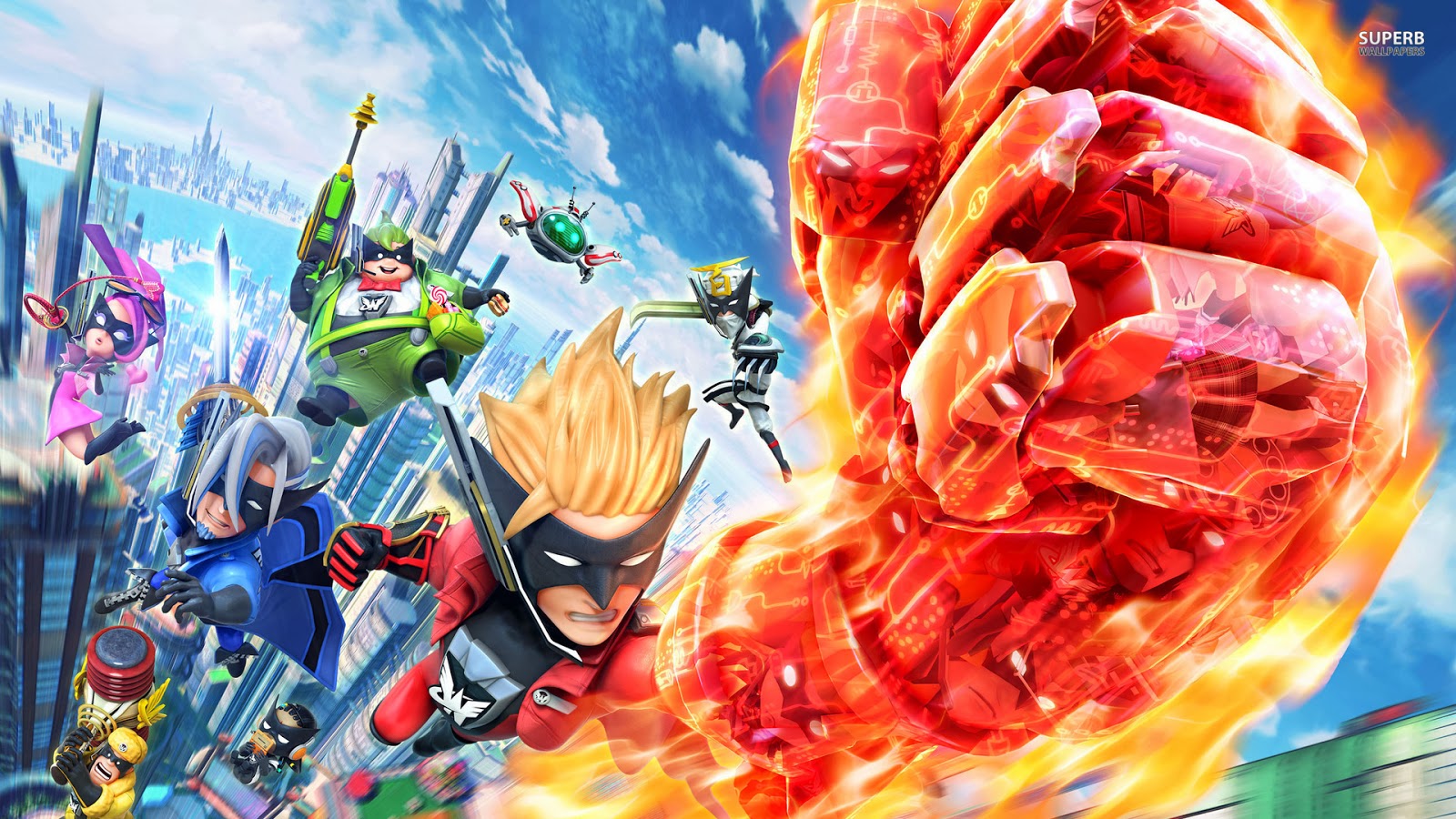
v496. The Wonderful 101 (Wii U) - The Won-Stoppable Wonderful 100


The Wonderful 101 was overlooked by many Wii U owners, but then again, it seems every title on the Wii U is overlooked. What is selling on that thing anyway? Regardless, hearing this vocal theme during epic moments of The Wonderful 101 energized players to push their gaming skills beyond their own limits.

v497. Tetris (GB) - Type A


Let's go old school for a moment, shall we? You cannot have a favorite VGM list without having this game and this theme on it. It's Tetris's Type A theme, an infectious melody that stayed with players long after they shut off the power to their Game Boys. Tetris was a game that sold Nintendo's portable system to the history books, and the game's addicting gameplay was a reason for that.

v498. Kirby Air Ride (GCN) - Sky Sands


Kirby Air Ride was quite an unorthodox racing game, created in part by the mind behind the Kirby character and series, as well as Super Smash Bros., Masahiro Sakurai. You see, speed was controlled by one button and one button only. As for the race, Sky Sands is a desert course that takes place miles above solid ground. This Arabian theme suits the course perfectly, wouldn't you say?

v499. Puppeteer (PS3) - Across the Plains


We recently reviewed Puppeteer, and we enjoyed the game overall. It had a lot of story sequences that broke up the flow of the game, but all-in-all it's a solid title. The presentation is but a part of that, but we were really astounded by the soundtrack, composed by Patrick Doyle. Across the Plains delivers a very Southwestern America, Mexico desert-type feel to it.

v500. Super Smash Bros. Melee (GCN) - Great Medley


Here we are! The big one! VGM number 5-0-0! We've selected a big one, too, for this great occasion. It's the Great Medley, incorporating a myriad of themes from many of Super Smash Bros. Melee's combatants. In North America, the CD that this medley is a part of was available to Nintendo Power subscribers. We actually have an original copy of it, and orchestrated performances of Smash Bros. music makes it a gem in our music library.

Thursday, October 17, 2013

Top Ten Launch Titles of All Time

The PlayStation 4 is officially less than one month away from its North American release, and in a handful days we'll be one month away from the Xbox One's North American launch. It seems like a good opportunity before the real craziness of the eighth generation begins to take a step back and ponder the great launch titles of gaming history. Our crack team of three staffers put our heads together (which hurt, by the way) to devise this list of what we deem the best games to launch with their respective systems. We've selected these games by industry impact and entertainment factor. Many games, systems and generations will be represented, so after we've finished listing and explaining ourselves, chime in with your picks!

Note: The majority of these games are based off of North American system launches.

10) Sonic Adventure (DC)


Kicking off the sixth generation of home video game consoles in style (and this list of ours), Sonic Adventure sped onto SEGA's ill-fated Dreamcast in style. The sheer velocity of the action amazed, as did the then-impressive visuals. Being able to jet around in the fully 3D environments, get chased by a whale in Emerald Coast, and go through a loop-de-loop for the first in 3D were all things that we won't soon forget in our storied gaming careers. A lot of what we have fondness for is due to nostalgia, as playing Sonic Adventure in the present is mostly an effort in frustration, where glaring flaws stare the player right in the face. However, there's no denying how positively way past cool Sonic's first Dreamcast outing was when it originally debuted.

9) Star Wars Rogue Leader: Rogue Squadron II (GCN)


At first glance, the Nintendo GameCube wasn't an imposing piece of hardware. It actually looked quite innocent. However, it was, in fact, a more powerful console than the PlayStation 2, with power that rivaled the Xbox. A launch title that showcased the muscle of the purple lunchbox was Star Wars Rogue Leader: Rogue Squadron II, a sequel to the popular Nintendo 64 flight-based combat game. Factor 5 (may they rest in peace) really got a sensational amount of power out of the GameCube right from the get-go. Rogue Squadron II was also a very fun game, allowing players to relive many movie moments from the original trilogy, as well as visit a wide array of Star Wars universe locals. Luigi might have had a mansion at the GameCube's launch, but we were too busy shooting TIE Fighters out of the air to notice.

8) The Legend of Zelda: Twilight Princess (Wii)


Sure, one could eventually find this next game on the GameCube if they waited the extra month, but having a new entry from The Legend of Zelda series right at the launch of a new Nintendo console? It had never happened before, and it was too tempting of an offer to pass up for many. Of course, Twilight Princess wasn't the only launch game to stir opening sales of the Wii (that other game will be on the list later on), but it certainly wasn't a detriment. Being able to swing the sword with the Wii Remote, control items like the Gale Boomerang and the Clawshot by pointing at the screen, and taking in the new version of Hyrule were all activities that were fresh and exciting at the time of the Wii's launch.

7) Soulcalibur (DC)


Alongside Sonic Adventure, another Dreamcast launch title that impressed was Soulcalibur from Namco's Project Soul. It was one of the small sampling of console games that outdid its arcade original in the graphics department. It didn't hurt that the game was an excellent eight-way fighter and introduced weapon-based combat. Soulcalibur amazed when it launched with the Dreamcast way back on 9-9-99, and it still amazes and has a fervent fan base to this day. It may not be an original game (it was an arcade port, as stated), but Soulcalibur bolstered the exciting launch lineup of the SEGA Dreamcast.

6) Halo (XBX)


We don't know what the fate of the Xbox would have been had it not been for a little first-person shooter known as Halo. Nintendo had the FPS market on home consoles mostly to themselves with the Nintendo 64, but they eschewed that with the GameCube. Thankfully for FPS fans with home consoles, Microsoft, more notably Bungie, jumped in to provide one of the best first-person shooters on home consoles. It was truly a killer app for the Xbox, and it's probably safe for us to say that without it, Microsoft's first console attempt wouldn't have been anywhere near as successful as it was thanks to Halo.

5) Tetris (GB)


An agreement allowed Nintendo to bundle Tetris with every Game Boy shipped to retailers. That decision would be an exceptionally smart one, as Tetris was the quintessential pick-up-and-play game. Players could sit down for small sessions to lengthy endurance marathons. It didn't require colorful graphics, of which the original Game Boy obviously had none. No, Tetris was a puzzle concept that took to many gamers. Nowadays, we take Tetris for granted, as it is on every imaginable device known to man. However, Tetris is is without question a major reason for why the Game Boy sold so well and began the handheld dynasty of Nintendo.

4) Wii Sports (Wii)


Alluded to in the Twilight Princess blurb, there have been few games on the market that have gotten attention from both the non-gamer and the gamer. Wii Sports bridged the gap, allowing people who had never played a video game before to get up and enjoy themselves. These weren't some low quality, low effort series of sports either. Each one offered a reasonable amount of depth-- enough to satisfy gamers while not being inaccessible to non-gamers. Wii Sports sold Wiis so well due to its simplicity to market. Nintendo really didn't have to explain anything. They simply had to show people playing, and then others got it. Without Wii Sports, the Wii might not have been the great success that it no doubt was.

3) Super Mario World (SNES)


While Wii Sports was a game that is on this list due to impact, both in the industry and culturally, Super Mario World leaps onto this list for the reason of its pure brilliance. It is simply put, an excellently crafted platforming experience that ushered in a new era of Mario. The 16-bit processor of the Super Nintendo/Super Famicom allowed for a wider palette of colors, offering more detail than had been seen previously. Levels were longer than past games in the series, delivering new challenges, surprises, and obstacles with each stage entered. Super Mario World blew our minds growing up, and it was one of the original games we played that sparked our imaginations.

2) Super Mario Bros. (NES)


Wii Sports delivered industry and cultural impacts. Super Mario World delivered an outstanding game. Super Mario Bros. delivered both, pretty much bringing the gaming industry in North America back from the abyss by itself. It was more complicated than many of the other games seen on any platforms. Super Mario Bros. was a side-scrolling juggernaut with secrets permeating from every orifice, a difficulty that was just right, and design that is still paralleled to this day. One might argue that the magic of Mario has disappeared in modern days, but as long as memories of such titles like this remain (and Nintendo keeps putting out titles like Super Mario Galaxy and Super Mario 3D Land), that kind of argument is pure folly.

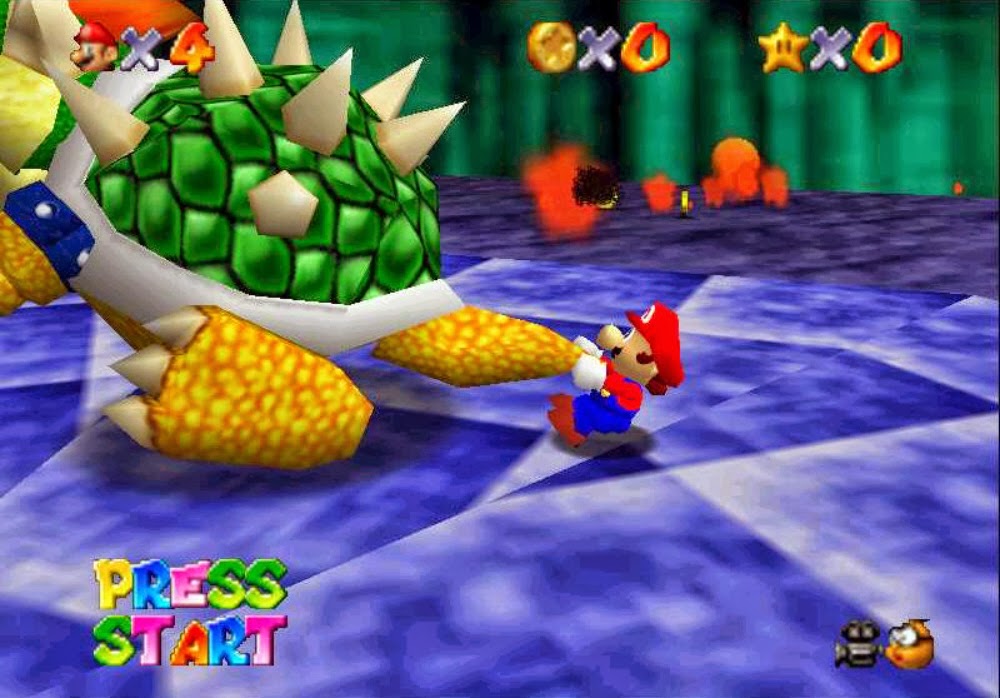
1) Super Mario 64 (N64)


Super Mario Bros. was to itself a revolution, but Super Mario 64 crafted one of the biggest revolutions in gaming history. It successfully brought Mario and Nintendo as a company into the 3D arms race. Many games had tried and failed in producing a working 3D game, but Super Mario 64's developers made it look effortless. There is no game today that doesn't owe some (even if it's .0001%) of its design and/or success to Super Mario 64. It inspired a whole generation of gamers, much like many of the Mario games that preceded it. It brought about many copycats and imitators, and it created the foundation and bar that many games would be judged by to this day. It's because the game was of the utmost quality through and through. It is for these reasons that we choose Super Mario 64 as the best launch game ever made.

Thursday, August 9, 2012

Most Overlooked Nintendo 3DS Games - Part Two

With hundreds of games released yearly and with the advent of digital games, there are now more games than ever, and it is so incredibly easy to have your game slip through the cracks and fade into obscurity. The latest edition of the popular Most Overlooked series of articles on SuperPhillip Central delves into five more underrated and overlooked gems on the Nintendo 3DS that failed to generate a high amount of attention, buzz, and/or sales (for Part One, click here). Will this list inspire you to check out a title you might not have been interested in? Let's find out!

Rhythm Thief & the Emperor's Treasure

In Rhythm Thief, you play as a young man who by day is Raphael, but by night he is the smooth criminal known as Phantom R (well, technically he can also be Phantom R during the day, but yeah...). Unlike most rhythm games, Rhythm Thief has a full-fledged story mode with an intriguing plot following Raphael's search for his missing father. The quest sends him all over Paris, clamoring for clues, solving puzzles, conversing with NPCs, and yes, participating in some rhythmic affairs. Such games include using the bottom screen to touch one four multicolored sections to have Phantom R strike the correct pose behind a statue, using gyro controls to dodge thrown objects heading your way with the beat of the music, or playing two odes to classic Sega rhythm games, Samba de Amigo and Space Channel 5. Rhythm Thief had the unfortunate luck of releasing in North America to only a select few retail stores, being caught shortly after Theatrhythm Final Fantasy, a much more hyped rhythm game, and being sent out with next to no fanfare by its publisher Sega. In Japan it was the top new title on the week of release which was encouraging, selling over 30,000 units. In Europe, the game completely bombed.


Tales of the Abyss 

This game is anything by abyss-mal, Tales of the Abyss is a port of a late generation PlayStation 2 RPG. However, this version of the game adds 3DS functionality like stereoscopic 3D (though the effect leaves a lot to be desired) and helpful information on the bottom screen. The greatest change to the PS2 version that the 3DS version contains is the reduction of the lengthy loading times the PS2 original possessed. Sure, the story isn't anything exceptional, and the characters -- especially at the start of the game -- can be downright obnoxious, such as the bratty main character Luke, but if you give the gameplay a chance, you will find that the battle system is fast-paced, frenetic, and fun, the world is teeming with interesting places to explore, and the challenge of the game is quite balanced. On a platform that is starving for traditional RPG games, Tales of the Abyss might not be a game tailor made for the 3DS, but it is one that I would like to see even more players warm up to outside of the 70,000+ at launch in Japan, because outside hardcore JRPG fans, Abyss received little buzz. Namco Europe stated it was satisfied with sales, but when it regards JRPGs in the West, having immensely lowered expectations is generally what the M.O. of a lot of publishers really is, especially with how few copies were initially produced of the game.


Crush 3D

Having the ill-conceived idea of making this PSP remake a GameStop exclusive cemented Crush 3D to sales mediocrity. Regardless, this twenty dollar game is certainly worth playing. Crush 3D's main claim to fame is revolving a third-person camera around four views -- north, south, east, and west -- as well as a top-down perspective. While the viewpoint is in one of these five directions, players can perform the namesake maneuver of the game and crush the level. All 3D parts of the level turn into 2D, giving off a 2D platformer-type feeling. Crushing helps in allowing faraway platforms in 3D to be reachable in 2D. Each level requires the player to gather as many marbles as possible in order to open the goal. New variables get added to the gameplay on a consistent basis such as timers, enemies, and obstacles. Thankfully, there are a plethora of checkpoints on harder, longer levels. If you are in the mood for a puzzle-platformer that has a more inviting art style than its PSP counterpart, Crush 3D is a "crush" course on fun.


Cave Story 3D

The original Cave Story was a freeware platforming game similar to Metroid and Castlevania in structure. The game was such a huge success for the developer Nicalis that the company put the game on Nintendo's WiiWare service with a price tag but with more content. With the Nintendo 3DS, Nicalis partnered with Nippon Ichi Software to remake the game with 3D assets on the system. The updated game brought with it new, upgraded visuals, a camera that would zoom in at certain points of the action, and an entirely new level. The problem with Cave Story 3D, despite it being a remarkable rendition of the classic Cave Story game, is that the original could still be downloaded for free while the 3DS remake cost a full retail price of $40 USD. Throw in that a most retailers didn't sell the game in their stores (only online), and you have a game that languished in sales. Whether it deserved to with that price tag is an argument for another day.


Tetris: Axis

Tetris: Axis was one of the final Hudson Soft-developed games created by the company before they were swallowed up by Konami. The game was published by Namco Bandai in Japan, but Nintendo published the game in North America. However, even with Nintendo's backing, the game failed to light up the charts. Tetris: Axis had a relatively basic but slick presentation, but it's not good to judge a book by its cover. The game contained 20 unique modes including Marathon, Computer Battle, Survival, Fit, Stage Racer Plus, as well as two augmented reality modes; 8-player multiplayer both off and online; and the ability to use a Mii. (Seeing your Mii encourage you as you clear lines is always a good time. Perhaps consumers were Tetris'd out. Perhaps consumers were satisfied with the Virtual Console's Game Boy Tetris. All that can be surmised is that Tetris: Axis did not light sales chart ablaze, which is disappointing as there was a lot of entertainment to be had from the game.


===

Any 3DS games that you have enjoyed that you recall didn't receive much buzz, attention, or sales? If you are interested in other platforms which had overlooked titles on them, click on the SPC Feature Catalog, scroll down a bit to Most Overlooked, and go hog wild!